

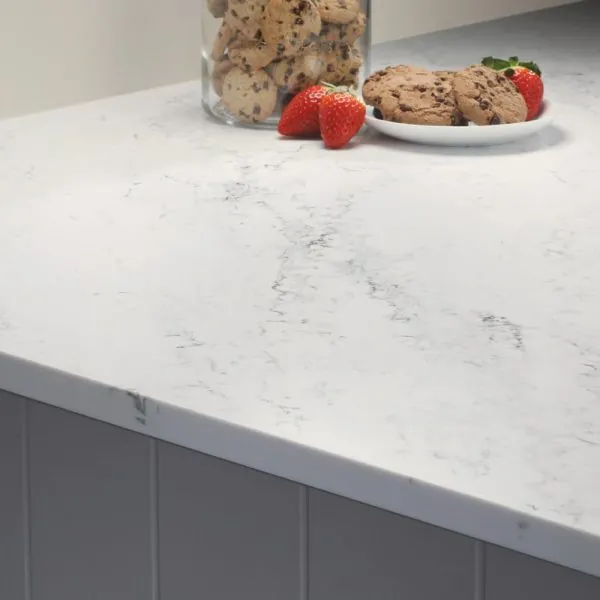
Store and platform.
Store planning and platform advice
Hosted commerce, properly considered
Plan a Shopify store around your products, customers and daily work. I help improve the experience, connect suitable services and explain the platform choices that matter.
A proper starting point
Shopify can be a practical choice when you want a hosted e-commerce platform with an established administration system. I can help plan the store, improve the customer-facing experience and connect suitable services, while explaining where the platform’s subscriptions and restrictions affect the brief.
A Shopify project starts with the products, customers and sales process. We look at the catalogue, content, delivery and payment requirements before choosing the theme and supporting apps. The right setup should make routine administration easier without depending on unnecessary add-ons.
I can help compare Shopify with WooCommerce, OpenCart or other options if the decision is still open. A hosted platform can reduce some infrastructure work, but it does not remove the need for thoughtful design, accurate product information or ongoing commercial attention.
What matters in the work
Store planning and platform advice
Theme and product-page improvements
Suitable apps, APIs and service connections
Search and conversion improvement work
From the portfolio
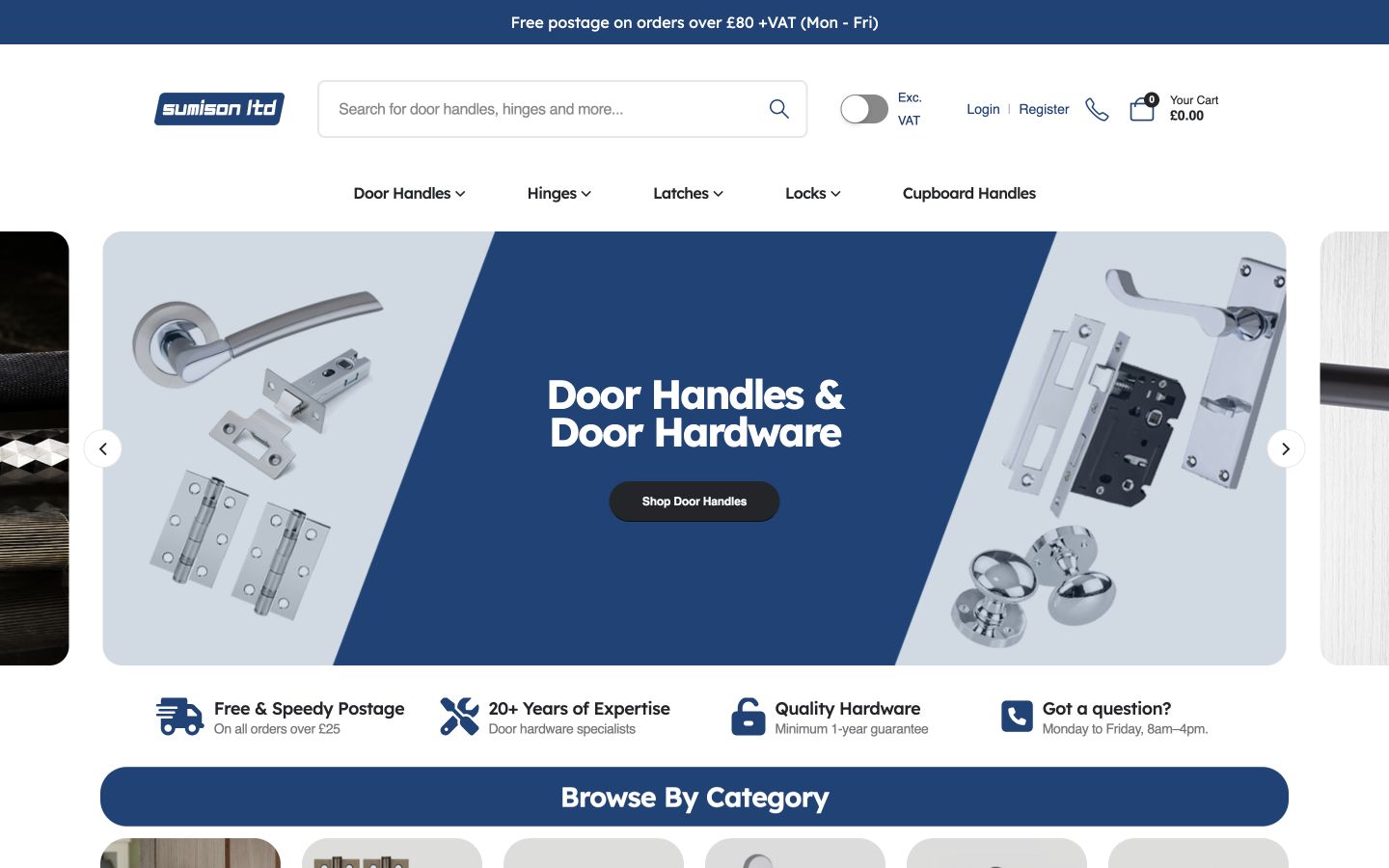
Examples of my wider e-commerce work. Sumison and Simply Worktops use WooCommerce, rather than Shopify.
Sumison is a Manchester-based trade business, manufacturing its own products and selling through several channels. Sam has worked with the business for around eight years, working across several e-commerce websites specialising in doors, handles and hardware.
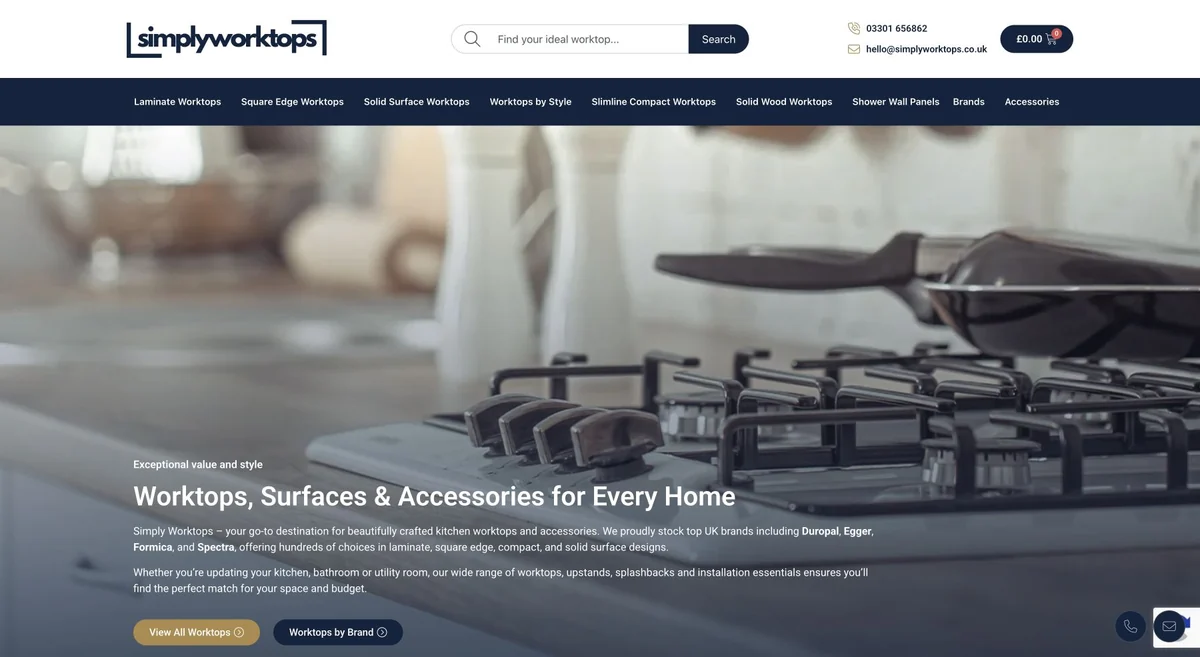
A WooCommerce website for Simply Worktops, backed by my ongoing SEO, AIO, Google Ads, hosting and website maintenance services.
The detail behind the work
The choices, practical details and support that shape your project.
Useful theme work makes navigation, categories and product detail easier to understand. I can review the mobile experience, product options and routes to checkout, then implement changes within the platform’s supported capabilities.
The design should help customers answer practical questions: what is included, which option is right, when it can arrive and what happens after ordering. A distinctive store needs those details as well as attractive imagery.
Apps and APIs can connect Shopify with other business systems, but the scope depends on the chosen services and the store’s plan. We check access, data rules, update behaviour and ongoing fees before relying on an integration.
Where a requirement falls outside the platform or plan, I explain the limitation and the available alternatives. That is more useful than quietly building a fragile workaround for something the store cannot properly support.
Shopify has its own hosting and subscription model. The website build proposal identifies the development work separately from platform subscriptions, app charges, payment fees and other external services. WordPress-specific Pro plugins are not represented as Shopify features.
I can support search content, campaign landing pages and ongoing improvements after launch. Tell me what you sell and which part of the existing store needs attention; I will help define the work and the most suitable next step.
Before we get started
Shopify provides its own hosted platform under its subscription terms. Those platform costs are separated from my development and support work.
Capabilities depend on Shopify’s supported features and the store’s plan. I check the requirement before promising a specific change.
Connected services
Your next chapter
Tell me what you are working towards. I’ll help you find a useful next step.